
 1-888-323-7356
 1-800-103-7356
 800-13-7356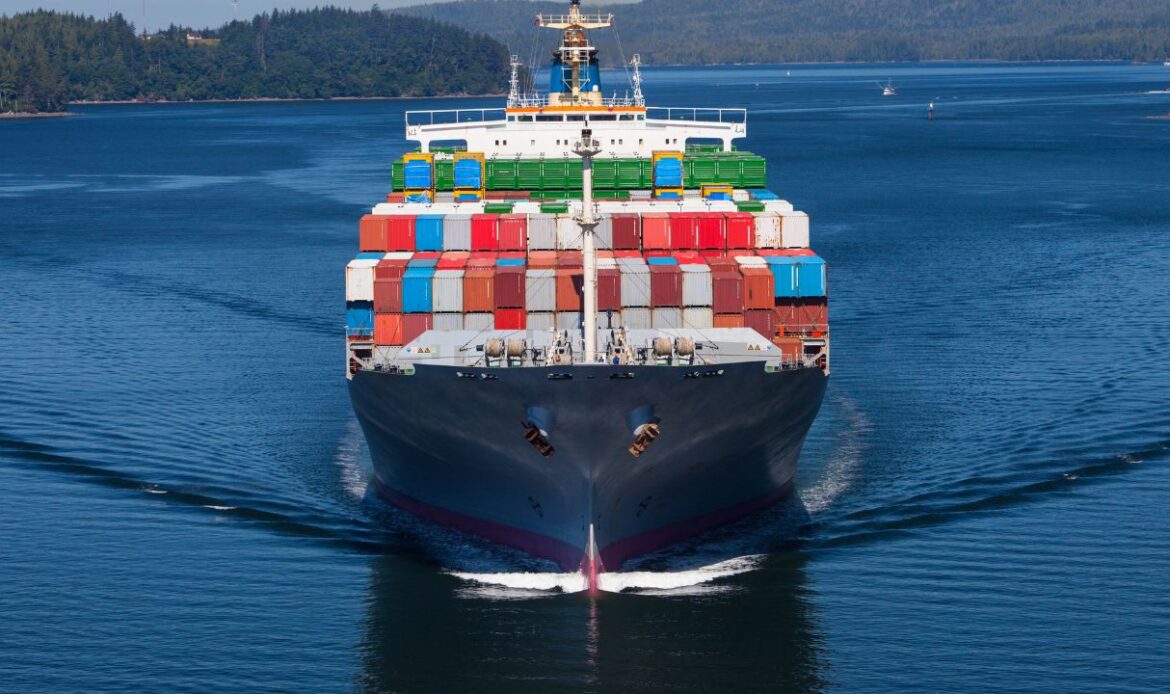
Sending a package from the United States to India might seem complicated. You have to think about customs, costs, and finding the right service. But with a little guidance, the process can be smooth and straightforward. Whether you are sending a gift to family, relocating personal belongings, or managing business inventory, this guide will walk you through everything you need to know to successfully ship from the USA to India.
We will cover the essential steps, from choosing the right shipping services to understanding customs duties. By the end, you will feel confident and prepared to handle your next international shipment.
Understanding Your Shipping Options
The first step in planning your shipment is to explore the available shipping services. The best choice depends on your specific needs, particularly your budget and timeline. The two primary methods for an international shipment are air freight and sea freight.
- Air Freight: This is the fastest way to ship your items to India. If you need your package to arrive quickly, air freight is the ideal solution. It is perfect for time-sensitive documents, gifts, or smaller commercial shipments. While the shipping rates for air freight are higher, the speed and reliability often justify the cost. The delivery time for air freight is typically measured in days, not weeks.
- Sea Freight: If you are not in a rush and want to save on shipping costs, sea freight is an excellent alternative. This method is ideal for larger, heavier shipments like household goods, furniture, or vehicles. While the transit time is much longer, often taking several weeks, the savings can be significant. It is a practical choice for planned relocations or for businesses shipping large quantities of stock.
Choosing between air and sea freight is a balancing act between speed and cost. Evaluate your priorities to determine which method aligns best with your needs for shipping to India.
Key Factors That Influence Shipping Costs
Understanding what contributes to the final price is crucial for managing your budget. Several factors impact the overall shipping costs when you send a package to India.
1. Package Weight and Dimensions
This is one of the most significant factors. Carriers use both actual weight and dimensional weight (also known as volumetric weight) to calculate shipping rates. Dimensional weight is calculated based on the length, width, and height of your package. The carrier will charge based on whichever is greater, the actual weight or the dimensional weight. To keep costs down, use packaging that fits your items snugly without excess space.
2. Shipping Method
As mentioned earlier, air freight is more expensive than sea freight. The urgency of your shipment will directly influence your expenses. If you can plan, choosing sea freight can lead to substantial savings on your international shipping.
3. Delivery Time
Even within air freight, you will find different service levels. Express shipping services that promise delivery within a few business days will cost more than standard options that take a little longer. If you have some flexibility in your delivery time, opting for a standard service can help reduce costs.
4. Contents of Your Package
The value and type of items you are shipping also play a role. High-value items may require additional insurance, which adds to the total cost. Fragile goods might need special handling or crating, also increases the price.
5. Customs Duties and Taxes
This is an unavoidable part of any international shipment. India’s customs authority will assess duties and taxes based on the declared value and type of goods you are sending. These fees are separate from your shipping rates and are typically paid by the recipient upon arrival.
A Step-by-Step Guide to Ship from USA to India
Now that you understand the basics, let’s break down the process into simple, manageable steps. Following this sequence will help ensure your package gets from point A to point B without any hitches.
Step 1: Pack Your Items Securely
Proper packing is essential for protecting your goods during their long journey. A well-packed box can prevent damage and potential delays.
- Choose a sturdy box: Use a new, double-walled cardboard box. Avoid reusing old boxes that may have lost their structural integrity.
- Wrap items individually: Use bubble wrap, packing paper, or foam to protect each item inside the box.
- Fill empty spaces: Use packing peanuts, crumpled paper, or air pillows to fill any voids. This prevents items from shifting around during transit.
- Seal it properly: Use strong packing tape to seal all seams on the top and bottom of the box. Do not use string or paper over-wrap, as it can get caught in sorting machinery.
- Label clearly: Attach the shipping label securely to the largest flat surface of the box. It is also a good idea to place a duplicate label inside the package in case the exterior one gets damaged.
Step 2: Complete the Necessary Paperwork
Accurate and complete documentation is the most critical part of the international shipping process. Errors or omissions can lead to significant delays at customs.
The most important document is the Commercial Invoice. This form provides detailed information about your shipment for customs authorities. You will need to include:
- The full name, address, and contact information for both the sender and the recipient.
- A detailed description of each item in the package. Be specific; instead of “clothes,” write “2 men’s cotton shirts.”
- The quantity of each item.
- The value of each item (in USD).
- The country of origin for each item (in this case, “USA”).
- The reason for export (e.g., gift, personal use, commercial sale).
Be honest and accurate with the declared value. Undervaluing items to avoid duties can result in fines, seizure of your goods, and delays.
Step 3: Understanding Customs and Duties
Every package entering India is subject to inspection by customs officials. They are responsible for collecting duties and taxes on imported goods. The amount your recipient will have to pay depends on the type of goods and their value.
- Customs Duty: This is a tax levied on imported goods, calculated as a percentage of the item’s value, insurance, and freight cost (CIF).
- Integrated Goods and Services Tax (IGST): This is another tax applied to imported items.
Gifts up to a certain value may be exempt from duties, but the rules can change. It is always best to check the latest regulations on India’s Central Board of Indirect Taxes and Customs (CBIC) website. Informing your recipient about potential fees ensures they are prepared to pay them to receive the package. Failure to pay these charges will result in the shipment being returned or abandoned.
Step 4: Choose Your Shipping Service and Schedule a Pickup
Once your items are packed and your paperwork is ready, it is time to choose your shipping service. Professional movers and shippers can provide a quote based on your package details and desired delivery time. They handle the logistics, from picking up the package at your door to managing its journey to the destination.
A reliable shipping partner will offer various service levels, allowing you to select the one that best fits your budget and timeline. They can also offer guidance on customs procedures and help ensure your documentation is correct, which is a huge advantage for a smooth international shipment.
Step 5: Track Your Shipment
After your package is on its way, you will receive a tracking number. This number is your link to the shipment’s progress. You can use it to monitor your package online as it travels from the USA to India. Tracking provides peace of mind and gives you an estimated delivery time, which you can share with your recipient. Most tracking systems update at each major checkpoint, such as departure from the origin country and arrival at customs in India.
How Long Does It Take to Ship a Package from the USA to India?
The delivery time to ship a package from the USA to India depends heavily on the shipping method chosen. With express air freight, a package can arrive in as little as 3-5 business days. Standard air freight usually takes about 8-15 business days. If you choose sea freight, the transit time is much longer, typically ranging from 6 to 10 weeks.
Prohibited and Restricted Items
Before you send a package, it is vital to know what you cannot ship. India has a list of prohibited and restricted items. Shipping these items can lead to your package being seized and destroyed.
Common Prohibited Items:
- Narcotic drugs
- Firearms and ammunition
- Live plants and animals
- Pornographic materials
- Counterfeit currency and goods
Common Restricted Items (may require special permits):
- Certain electronics
- Precious metals and stones
- Maps showing incorrect Indian boundaries
- Some food products
This is not an exhaustive list. Always consult with your chosen shipping services provider or check the official Indian customs website for a complete and up-to-date list before you pack your box.
Final Thoughts on Shipping to India
Shipping from the USA to India involves more than just putting an item in a box. It requires careful planning, proper packing, and precise documentation. By understanding the factors that affect shipping costs and following a step-by-step process, you can navigate the complexities of international shipping with ease.
Remember to choose the right shipping method for your needs, pack your items securely, and be thorough with your paperwork. This preparation will help ensure your package arrives safely and on time, without unexpected delays at customs.Ready to simplify your next international move or shipment? For a seamless and professional experience with your shipping needs, contact Universal Relocations to get a customized quote and expert guidance for your shipment to India.