
 1-888-323-7356
 1-800-103-7356
 800-13-7356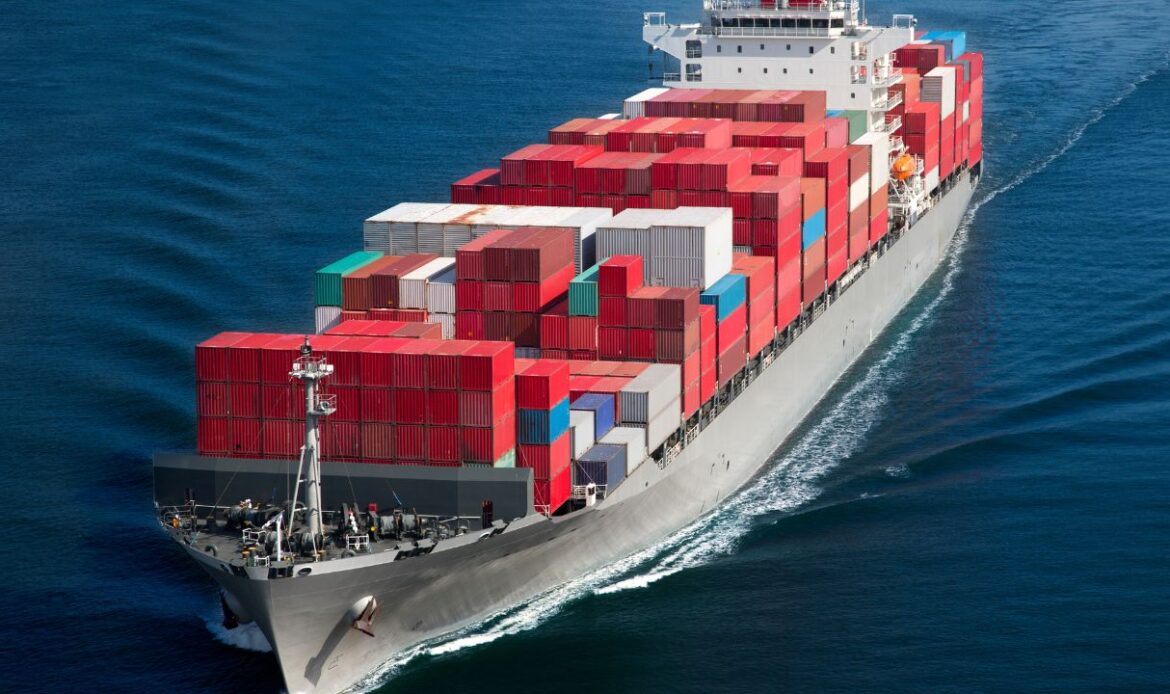
Small businesses face plenty of hurdles when trying to grow. You have to manage inventory, handle marketing, and keep customers happy. But one of the biggest challenges often hits when you decide to expand across the pond. Figuring out international logistics can feel like navigating a maze blindfolded. Specifically, finding affordable shipping to UK destinations is a top priority for US-based businesses looking to tap into the British market.
The United Kingdom represents a massive opportunity. The shared language and similar consumer habits make it an attractive first step for global expansion. However, the costs associated with moving goods across the Atlantic can quickly eat into your margins if you aren’t careful.
This guide will break down how you can streamline your logistics, understand the necessary paperwork, and ultimately find cost-effective ways to get your products into the hands of British customers.
Why the UK Market Matters for US Businesses
Before we dive into the logistics of shipping to UK addresses, it helps to understand why this route is so popular. The UK e-commerce market is one of the most advanced in Europe. British consumers are comfortable buying from overseas, especially from American brands.
Whether you sell handmade crafts, tech gadgets, or niche apparel, there is likely a hungry audience waiting in London, Manchester, or Glasgow. The key is ensuring that the cost of delivery doesn’t scare them away at checkout. High shipping fees are one of the leading causes of cart abandonment. By optimizing your shipping strategy, you don’t just save money; you also boost your conversion rates.
Understanding the Basics of International Shipping
When you start shipping internationally, the rules change. Domestic shipping is relatively straightforward, but sending a package to the UK involves customs, duties, and different carrier regulations.
Key Factors That Influence Cost
Several variables determine how much you will pay to get a package across the ocean. Knowing these can help you tweak your strategy to lower costs.
- Package Weight and Dimensions: This is the most obvious factor. Heavier and larger boxes cost more. Carriers often use “dimensional weight” (DIM weight), which considers the volume of the box, not just the actual weight.
- Delivery Speed: Do your customers need their items in two days, or are they willing to wait two weeks? The faster the service, the higher the price tag.
- Destination: Delivering to a major hub like London is often cheaper and faster than shipping to a remote village in the Scottish Highlands.
- Insurance: Higher-value items require insurance, which adds a percentage to the total cost.
Dimensional Weight Explained
Dimensional weight is a concept that often trips up small business owners. If you ship a lightweight item like a pillow in a large box, you will be charged for the space that box takes up on the plane or ship, not just the fact that it weighs two pounds.
Pro Tip: Always use the smallest possible packaging for your items. If you can safely fit a product in a poly mailer instead of a cardboard box, do it. This single change can significantly reduce your shipping to UK costs.
Choosing the Right Shipping Method
You generally have two main modes of transport for international goods: air freight and sea freight.
Air Freight
Air freight is fast. It is the standard for e-commerce because customers usually expect their orders within a week. However, it is also the most expensive option. If you are shipping small, lightweight, high-value items, air freight is often worth the cost. It ensures quick turnaround and keeps cash flow moving.
Sea Freight
Sea freight is much slower but significantly cheaper. This option is usually reserved for larger shipments or businesses that are stocking a fulfillment center in the UK rather than shipping individual orders directly to customers. If you are sending pallets of goods, sea freight is the way to go.
Courier Services vs. Postal Services
For direct-to-consumer parcels, you will choose between private couriers and national postal services.
- Private Couriers: Companies offer robust tracking, reliability, and speed. They handle customs clearance efficiently, but come at a premium price.
- Postal Services: Using the USPS to hand off to the Royal Mail (the UK’s postal service) is often the most affordable method for small packages. The trade-off is often slower delivery times and less granular tracking updates.
Navigating Customs, VAT, and Duties
This is the part that scares most business owners, but it is manageable once you understand the basics. When shipping to UK customers, you are dealing with a different tax regime.
What is VAT?
VAT stands for Value Added Tax. It is a consumption tax placed on a product whenever value is added at each stage of the supply chain, from production to the point of sale. In the UK, the standard VAT rate is currently 20%.
Since Brexit, the rules have tightened. For most goods sold to UK consumers from overseas, VAT must be collected at the point of sale if the consignment value is under £135. This means you, the merchant, are responsible for collecting this tax from the customer at checkout and remitting it to the UK government (HMRC).
Import Duties
Import duties are separate from VAT. These are taxes charged on goods crossing international borders. The rate depends on the type of product (its HS code) and its value. Usually, duties apply to goods valued over £135.
Common Question: Who pays the customs duties?
Generally, you can ship under two terms: DDU (Delivered Duty Unpaid) or DDP (Delivered Duty Paid).
- DDU: The customer pays the duties when the package arrives. This can lead to nasty surprises and refused packages.
- DDP: You collect the estimated duties at checkout and pay them on the customer’s behalf. This offers a much smoother customer experience.
Strategies to Lower Shipping Costs
Now that we have covered the basics, let’s look at specific strategies to make shipping to UK destinations more affordable for your small business.
1. Consolidate Your Shipments
If you have enough volume, consider using a consolidation service. These services group packages from multiple businesses going to the same destination country. By bundling shipments, the consolidator gets a bulk rate from the carrier and passes some savings on to you. The package travels to a domestic hub, gets bundled, flies to the UK, and is then injected into the local Royal Mail network for final delivery.
2. Negotiate Rates
Never accept the listed price on a carrier’s website as the final word. If you are shipping regularly, reach out to account representatives. Even small businesses can often negotiate better rates based on projected volume. Tell them you are looking to expand your shipping to UK volume and ask what discounts are available.
3. Optimize Packaging
As mentioned earlier, DIM weight is a killer. Optimizing your packaging is the lowest-hanging fruit for cost savings.
- Use padded envelopes for clothing or soft goods.
- Buy boxes that fit your products snugly to avoid paying for shipping “air.”
- Invest in a packaging scale so you can weigh items accurately and avoid surcharges for under-declaring weight.
4. Offer Tiered Shipping Options
Don’t force every customer to pay for express shipping. Give them a choice. Offer a “Standard” option (cheaper, slower, perhaps untracked) and an “Express” option (expensive, fast, fully tracked). Many customers are happy to wait a week or two if it saves them $15. This allows you to use more affordable shipping lines for the majority of your orders.
5. Consider a UK Fulfillment Center
If your sales volume in the UK is growing, shipping individual orders from the US might no longer make sense. It might be time to ship bulk inventory to a fulfillment center located within the UK.
- How it works: You send a pallet of goods via sea freight (cheap per unit) to a warehouse in the UK. When a customer orders, the item is picked, packed, and shipped locally.
- The Benefit: Domestic shipping within the UK is fast and cheap. You avoid the headache of individual customs declarations for every single order.
Required Documentation for UK Shipments
Accuracy is vital when preparing your paperwork. Incorrect forms can lead to your package being stuck in customs hell for weeks.
The Commercial Invoice
Every international shipment requires a commercial invoice. This document tells customs officers what is in the box and how much it is worth. It must include:
- Sender and recipient details.
- A clear description of the goods (e.g., “Men’s Cotton T-Shirt” rather than just “Clothing”).
- The value of each item.
- The country of origin (where it was made, not just where it is shipping from).
- The HS (Harmonized System) code.
HS Codes
An HS code is a standardized numerical method of classifying traded products. You must find the correct code for your product. If you use the wrong code, you might pay the wrong duty rate or have your shipment rejected. There are many free tools online to look up HS codes.
Handling Returns from the UK
Returns are an inevitable part of retail. International returns, however, are expensive and complicated. You need a clear policy before you ship your first box.
- Option 1: Customer Pays Return Shipping. This is the most common for small businesses. It protects your margins but might discourage some buyers.
- Option 2: Refund Without Return. For low-value items, it might be cheaper to let the customer keep the item and just issue a refund. The cost of shipping it back might exceed the product’s value.
- Option 3: Local Returns Address. If you work with a third-party logistics provider in the UK, you can have customers return items there. This allows you to restock the item locally and resell it.
Common Mistakes to Avoid
When you are new to shipping to UK clients, it is easy to make errors. Here are a few pitfalls to watch out for.
- Vague Descriptions: Writing “Gift” or “Merchandise” on the customs form is a red flag. Be specific.
- Ignoring Restricted Items: The UK has strict rules on what can be imported. Certain foods, plants, and materials are banned. Check the prohibited items list before you ship.
- Under-declaring Value: Never lie about the value of the goods to avoid taxes. If customs opens the package and sees an invoice for $100 when you declared $10, you will face fines and your package may be seized.
The Role of Tracking and Communication
International shipments travel a long way and pass through many hands. Anxiety runs high for customers waiting for their package.
- Provide Tracking: Always use a service that provides at least basic tracking.
- Communicate Delays: If a package is held in customs, let your customer know immediately. Proactive communication builds trust.
- Set Expectations: Be realistic about delivery times on your website. If shipping takes 10-14 days, state that clearly. It is better to under-promise and over-deliver.
FAQs: Shipping to the UK
Here is a quick answer to a question we hear all the time.
How long does standard shipping from the US to the UK take?
Standard shipping via postal services typically takes between 6 to 15 business days. Private couriers can deliver faster, often in 2 to 5 business days, but at a higher cost. Delays at customs can extend these timelines, so always advise customers to add a buffer for time-sensitive orders.
Preparing for Peak Season
The holidays are stressful enough without international logistics complications. If you plan on shipping to UK customers during November and December, you need to start early.
- Cut-off Dates: Establish clear “order by” dates to ensure Christmas delivery.
- Stock Up: Ensure you have enough inventory.
- Factor in Delays: Weather and high volume slow everything down in Q4.
Final Thoughts on UK Logistics
Expanding your business to the United Kingdom is an exciting milestone. While the logistics can seem daunting at first, breaking them down into manageable steps makes the process much less scary. By understanding VAT, choosing the right mix of carriers, and optimizing your packaging, you can create a sustainable and profitable international channel.
Remember that you don’t have to figure it all out alone. Partnering with logistics experts who understand the nuances of international freight can save you time, money, and headaches.
Whether you are moving inventory for a new store opening or fulfilling individual online orders, having a reliable partner makes all the difference.If you are looking for a team that specializes in navigating complex international moves and logistics, consider Universal Relocations for your next major shipment needs.